Biography
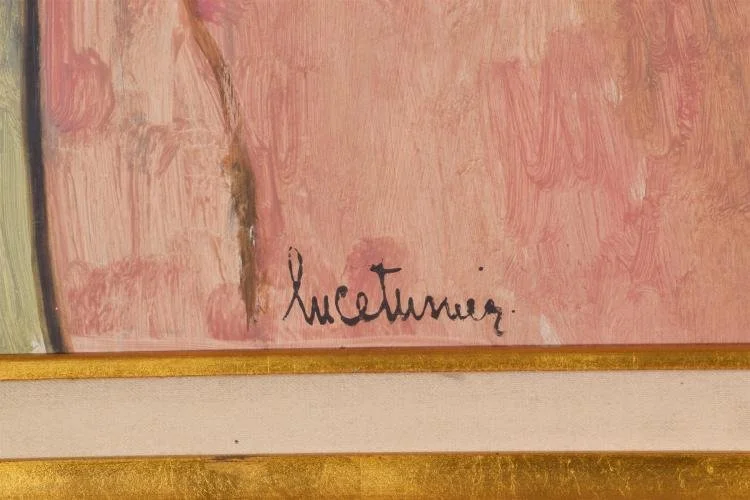
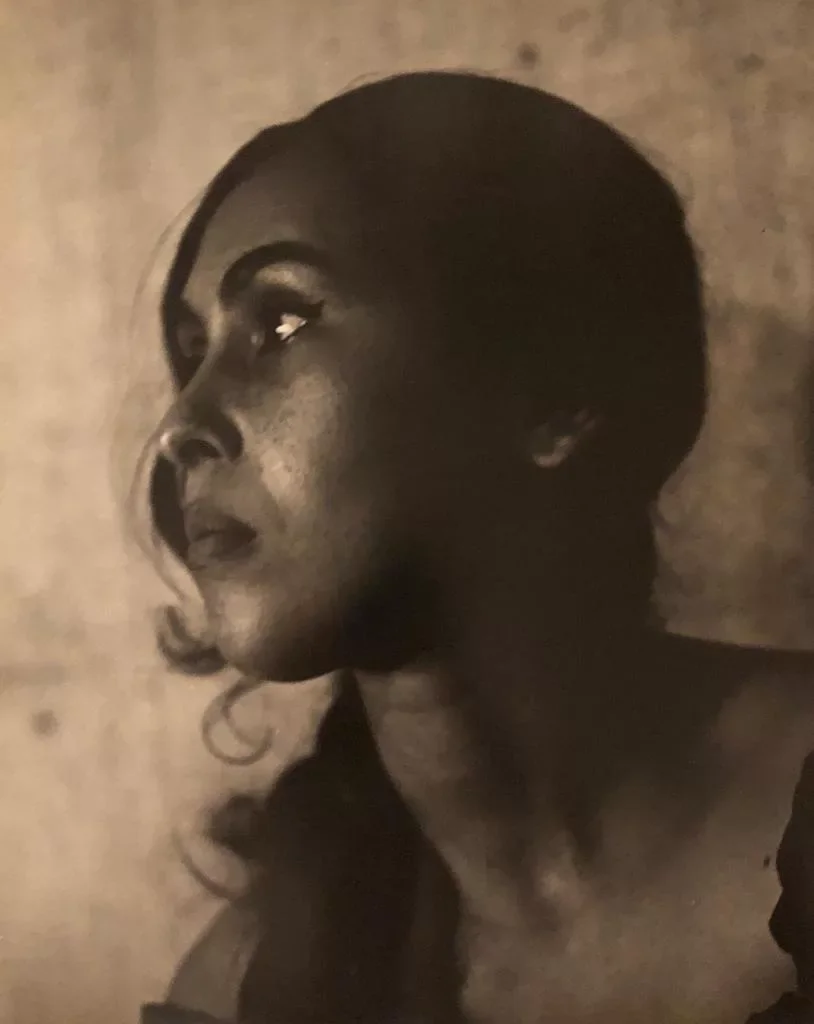
Born in 1924, in Jacmel, Haiti. Luce Turnier is a trailblazing Haitian artist, excelled as a modernist painter, printmaker, and collage virtuoso. Her artistry spanned across three distinct landscapes: Haiti, New York, and Paris, where she masterfully translated the diverse spectrum of colors and tangible textures found in Haiti into her vibrant still-life compositions, landscapes, and drawings.
In 1945, at the young age of 21, she emerged as one of the pioneering female founding artists at Haiti's Art Center. However, as Haitian artists gained global recognition, entrenched stereotypes began to dictate the expected aesthetics of their art, limiting its commercial appeal. These artists, predominantly male, were often typecast as unsophisticated and rooted solely in their local context, which hindered women like Luce from achieving the same acclaim as their male counterparts. Consequently, Luce embarked on a journey of self-discovery in the 1950s, leaving Haiti to pursue scholarships in New York and Paris. During this period, she ventured into the realms of abstraction and collage, melding European artistic influences with the essence of Haiti's people.
In 1972, Luce Turnier returned to Haiti. Her artistic journey from 1945 to 1990 was marked by a consistent presence in the vibrant art scenes of Paris, the United States, and Haiti. These transatlantic experiences profoundly influenced her modernist artistic evolution, resulting in a rich cultural fusion of Haitian Creole, which she cultivated within the diverse Afrodiasporic communities of Haiti, Paris, and New York.
More recently, scholars and critics have turned their focused attention to her body of work, recognizing its paramount significance in the realms of Caribbean art history, modern Haitian art, and the broader context of Black modernist art within the African diaspora. Regrettably, Luce's life came to a close in Paris on April 22, 1994.
Mission
The Luce Turnier Archive is dedicated to preserving, documenting, and expanding access to the work and legacy of Luce Turnier. The archive serves as a living record—bringing together artworks, exhibition histories, and contributions from collectors, institutions, and the public to ensure her practice remains visible, studied, and engaged across time.